

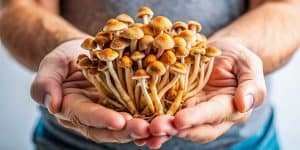
 Understanding Psilocybin Therapy
Across cultures and throughout history, psilocybin has been used as a natural medicine to support healing, insight, and connection. Today, modern research is revisiting these longstanding traditions, exploring how psilocybin may help individuals access new perspectives, deepen self-awareness, and support emotional well-being.
Psilocybin, a naturally occurring compound found in certain species of mushrooms, has been studied for decades and is gaining increased scientific attention for its potential role in mental and emotional healing. Research conducted at leading institutions has examined its effects on depression, anxiety, trauma-related conditions, addiction, and end-of-life distress.
As this body of evidence continues to grow, psilocybin is being understood not simply as a substance that alters perception, but as a tool that may support psychological insight, emotional flexibility, and meaningful change when used within safe, structured, and supportive contexts. This evolving understanding has contributed to both expanded clinical research and the development of regulated frameworks for guided psilocybin therapy, including those now in place in Colorado.
What Is Psilocybin?
Psilocybin is considered a classic, or serotonergic, psychedelic, a class of compounds that primarily act on serotonin 5-HT2A receptors in the brain. Through this activity, psilocybin can influence perception, mood, emotional processing, and patterns of thought.
After ingestion, psilocybin is converted in the body to psilocin, the active compound responsible for its psychoactive effects. Psilocin interacts with neural pathways involved in mood regulation, perception, and sense of self, contributing to shifts in awareness, emotional openness, and insight that may occur during psilocybin experiences.
Common effects of psilocybin include changes in perception, increased emotional awareness, and a sense of expanded perspective. At higher doses, some individuals report experiences described as deeply meaningful or transcendent, sometimes involving a temporary softening of rigid self-identity and a heightened sense of connection to others or the world around them.
From a safety perspective, classical psychedelics such as psilocybin are generally considered to have a favorable safety profile when used responsibly, with appropriate screening, preparation, and support, and within structured settings.
Psilocybin has also received FDA “Breakthrough Therapy” designation for investigational use in treatment-resistant depression (TRD) and major depressive disorder (MDD), reflecting growing scientific interest in its potential role within carefully designed therapeutic frameworks.
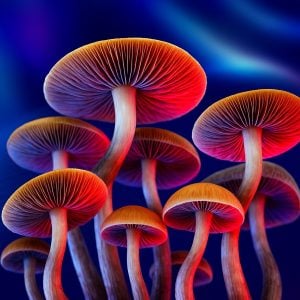 Psilocybin and “Magic Mushrooms”
Psilocybin is a naturally occurring compound found in certain species of mushrooms, sometimes referred to as “magic mushrooms.” These mushrooms have been used for centuries in ceremonial and healing contexts by Indigenous cultures around the world, often within structured traditions that emphasized intention, guidance, and community.
When ingested, psilocybin is converted in the body to psilocin, which interacts with serotonin receptors and can lead to changes in perception, mood, and awareness. The term magic mushrooms broadly refers to fungi that contain psilocybin, though potency, effects, and composition vary by species and context.
In Colorado, psilocybin services offered within the regulated Natural Medicine framework differ significantly from informal or recreational use. Administration occurs only in licensed healing centers, with trained facilitators and clinical facilitators, providing structured, safety-focused support.
This regulated approach helps ensure that psilocybin experiences are approached with care, intention, and respect for their psychological depth and potential impact.
What Is Psilocybin Therapy (Psilocybin-Assisted Therapy)?
During psilocybin-assisted therapy, psilocybin is administered in a professional, supportive setting with a trained facilitator or guide who provides psychological support throughout the experience.
In a clinical study focused on treatment-resistant depression, researchers found that psilocybin therapy produced significant and rapid antidepressant effects in patients with major depressive disorder, without serious adverse medical events reported. Other studies have observed long-term increases in positive mood, life satisfaction, social connection, and health-supportive behavioral changes following guided sessions.
Early research suggests potential benefit for severe depression, PTSD, addiction, OCD, and anxiety related to terminal illness. While research continues to evolve, psilocybin-assisted therapy is increasingly understood as a promising adjunctive approach for emotional healing, personal growth, and overall well-being when conducted safely and ethically under trained facilitation.
Psilocybin Services in Colorado
In November 2022, Colorado voters approved Proposition 122, known as the Colorado Natural Medicine Health Act of 2022 (NMHA). This legislation decriminalized certain psychedelics, including psilocybin, for personal use by adults 21 and older.
The NMHA also established a regulated framework for the therapeutic use of psilocybin, allowing adults to access services at licensed healing centers under the supervision of trained and licensed facilitators. Colorado became the second U.S. state (after Oregon) to create a legal pathway for supervised, supported psilocybin use.
In May 2023, Governor Jared Polis signed Senate Bill 23-290, clarifying and strengthening the NMHA to guide the implementation of Colorado’s Natural Medicine Program, including licensing, training, and safety standards.
Under these laws, licensed professionals may serve as either Facilitators or Clinical Facilitators. Clinical Facilitators are licensed health professionals who are authorized to incorporate natural medicine facilitation into care for individuals with diagnosed physical or behavioral health conditions.
Both license types require a state-approved facilitator training program covering psychedelic medicine, therapeutic approaches, ethics, safety, and best practices. While both pathways emphasize compassion, safety, and integrity, working with a Clinical Facilitator may offer added value through the practitioner’s medical or behavioral-health background.
This dual-license framework reflects Colorado’s commitment to both community-centered support and medically informed oversight, fostering a balanced, ethical, and healing-oriented model for personal growth and transformation.
 Facilitators and Guides in Colorado
For those new to this work, it can be helpful to understand the role of the facilitator, who serves as a trained guide and steady presence throughout the psilocybin therapy process. The medicine administration session, when psilocybin is taken, is often referred to as a “journey,” reflecting the internal experience that unfolds during the session.
Facilitators help create a safe, comfortable, and supportive environment so participants can relax and focus inward. They may offer gentle reassurance, grounding, or support if challenging emotions arise, while maintaining attention to physical, emotional, and ethical safety. Sessions are guided by clear professional boundaries designed to support trust and well-being.
Rather than directing the experience, the facilitator’s role is to provide calm, attentive presence, allowing each individual’s process of insight and healing to unfold in its own way.
Who Psilocybin May Help
Psilocybin experiences can be profoundly meaningful for a wide range of individuals, particularly those seeking greater emotional balance, self-understanding, or relief from long-standing psychological and physical patterns of distress.
Psilocybin therapy can serve as a tool for both healing and growth, supporting individuals working through specific medical or psychological conditions, as well as those who wish to explore personal development, creativity, spirituality, or deeper insight without a defined diagnosis.
Research and clinical studies suggest psilocybin may support people living with depression, anxiety, post-traumatic stress, obsessive-compulsive symptoms, grief, addiction, chronic pain, and existential or spiritual distress related to illness or major life transitions.
Emerging research also points to potential benefits for individuals navigating end-of-life anxiety, burnout, chronic stress, or unresolved trauma, as well as those who feel disconnected from purpose, creativity, or self-compassion. Psilocybin work can complement practices like meditation, therapy, and integrative health approaches by opening a greater sense of presence and perspective.
While experiences and outcomes vary, participants often describe the process as one of renewal, clarity, and emotional release, a reset that allows new insight and self-compassion to take root. Many also report feeling a greater sense of connection to themselves, to others, and to the larger natural and spiritual world, along with an expanded capacity for empathy and openness.
When approached responsibly and integrated with ongoing care, psilocybin therapy can open a doorway to meaningful change and inner healing.
The Value of Physician-Guided Psilocybin Therapy
Working with physician-guided care alongside trained facilitation adds an important layer of safety, depth, and individualized support. Physicians bring medical understanding of the mind–body connection, as well as expertise in screening, preparation, and integration, helping ensure that each person is supported thoughtfully before and after a psilocybin experience.
Medical evaluation can help identify potential contraindications, such as medication interactions or underlying medical conditions, and support coordination of care when needed. This clinical perspective promotes safety and informed decision-making, while allowing for an integrative approach that considers physical health, emotional well-being, and lived experience.
Physician-guided care also emphasizes the importance of intention, preparation, and integration, helping individuals translate insight into meaningful, sustainable changes in daily life. This collaborative model supports depth and continuity of care, bridging medical understanding with personal growth in a way that is grounded, ethical, and supportive.
Exploring Psilocybin Experiences
This medical practice focuses on psychedelic-informed evaluation, education, preparation, and integration support. Psilocybin administration does not occur through this practice.
For individuals interested in participating in psilocybin administration sessions (psilocybin journeys), these services are offered through licensed healing centers operating within Colorado’s regulated Natural Medicine framework, such as Emergence Psychedelic Therapy, LLC, or through another licensed healing center of your choosing.
Connect with Dr. Stacy Green, MD
If you’re ready to explore the transformative potential of integrative and psychedelic therapy, or simply wish to learn more about holistic approaches to healing, reach out now for more information.
My practice offers integrative and holistic care in Boulder, Colorado – supporting the whole person: mind, body, and spirit.