The 3 Types of Loneliness — and How Healing Begins Through Connection
A look at the growing epidemic of loneliness, and the ways therapy and integrative care help us rebuild connection and meaning.
Loneliness….
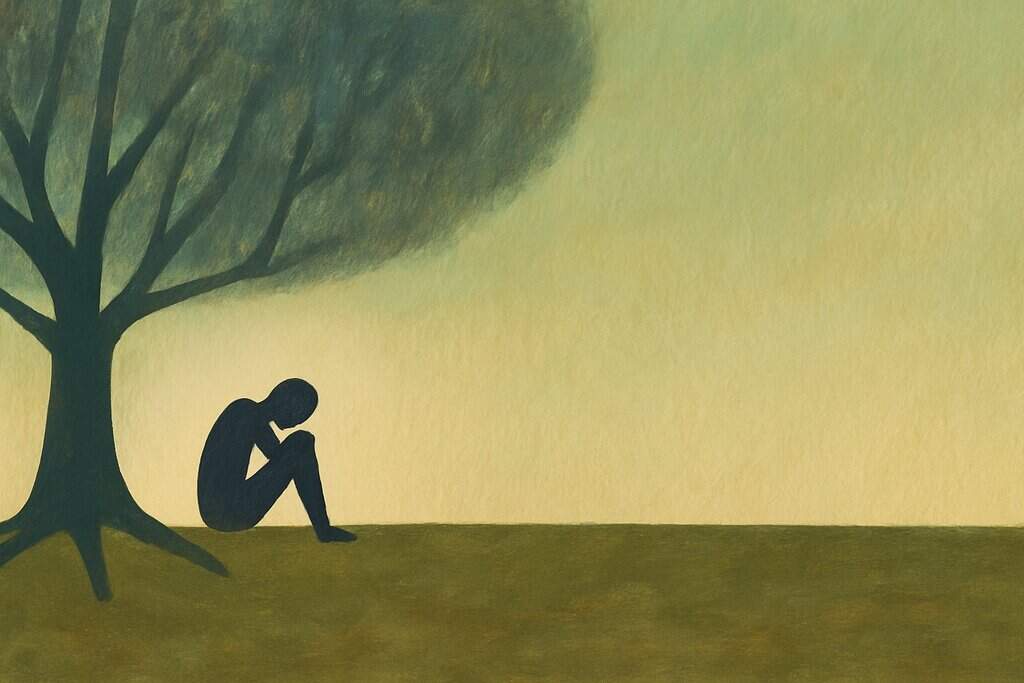
Loneliness has quietly become one of the most profound public-health challenges of our time.
Even before the pandemic, disconnection was spreading – through overwork, digital overwhelm, and the fading of close community ties. Former U.S. Surgeon General Dr. Vivek Murthy calls loneliness not just an emotional state, but “a modern epidemic of disconnection.”
In his book Together, Murthy describes loneliness as a signal, much like hunger or thirst, that something essential is missing. Yet unlike those other survival signals, we often turn loneliness against ourselves. Many people experience a sense of shame when they feel lonely, as if it means there’s something wrong with them or that they’ve somehow failed at relationships or belonging. Instead of recognizing loneliness as a natural biological cue for connection, we interpret it as a personal flaw. This self-judgment can deepen isolation, making it harder to reach out or be vulnerable with others.
But loneliness is not evidence of inadequacy, it’s evidence of our humanity. From an evolutionary perspective, the drive to connect is wired into our biology just as strongly as the drive to eat or drink. When connection is absent, the body sounds an alarm, loneliness, urging us to seek closeness again. Connection is deeply healing: being seen and understood helps restore balance, calm the nervous system, and support the body’s natural capacity to heal. Therapy, in this light, becomes a practice of reconnection: to oneself, to others, and to meaning.
The 3 Types of Loneliness
Dr. Murthy identifies three main forms of loneliness, each touching a different part of our humanity. Recognizing which one we’re experiencing can help us understand what’s truly missing and where healing can begin.
1) Emotional or Intimate Loneliness: the absence of a close, trusted relationship where we feel fully known and safe. Therapy can gently explore attachment patterns, grief, and relational wounds so people can feel seen, heard, and valued.
2) Relational or Social Loneliness: the lack of meaningful friendship or companionship, often during big life transitions. Integrative therapy helps identify patterns (e.g., overwork, withdrawal) that unintentionally deepen isolation and supports rebuilding community.
3) Collective or Existential Loneliness: feeling cut off from a larger sense of belonging, purpose, or shared humanity. Healing may involve reconnecting with meaning, through volunteering, creativity, spiritual practice, or aligned communities.
When Loneliness Shows Up in Our Lives
The Impact of Life Transitions: Parenthood, Divorce, Retirement, Moving to a New City, and Loss of a Loved One

Loneliness can surface quietly during major life changes, even when life looks “full” from the outside.
These transitions shift our rhythms and roles, often before new sources of connection have time to form.
Parenthood. The arrival of a child can bring profound love and a surprising sense of
aloneness. Long stretches of caregiving, sleep disruption, and identity shifts can create distance from partners and peers. Many new parents describe feeling unseen by the adult world, even when surrounded by family.
Divorce or separation. Even when a change is healthy or chosen, the absence of daily companionship
can feel disorienting. Routines that once filled evenings and weekends fall away, revealing both the ache of loss
and the need to rebuild a circle of support and meaning.
Retirement. Without the built-in structure and social contact of work, many people feel untethered
or question their purpose. Creating new anchors – service, creativity, learning, or community groups – can restore a felt
sense of belonging.
Moving to a new city. Uprooting can refresh a life, and unsettle it. Familiar networks are suddenly
far away, and it takes time to cultivate friendships that move beyond logistics into genuine emotional closeness.
Intentionally seeking interest-based groups, faith communities, or neighborhood gatherings can help bridge the gap.
Loss of a loved one. Grief naturally turns us inward. As we navigate absence and uncertainty,
loneliness may intensify, even when others are present. Gentle connection, ritual, and grief-literate support can
soften isolation while honoring love and memory.
In each of these seasons, loneliness isn’t a verdict; it’s a signal asking for care. Therapy offers both a
relationship of connection and a place to learn how to connect – clarifying what’s missing,
understanding past patterns, and reshaping daily life so that the connections you need to thrive can grow.
The Body’s Response to Connection
Loneliness doesn’t live only in the mind. It leaves imprints on the body such as raising cortisol, increasing inflammation, and disrupting sleep, digestion, and immunity. Connection, conversely, is medicine – social bonds and emotional safety release oxytocin, lower blood pressure, and activate the body’s healing pathways.
In integrative medicine, we understand that healing connection is biological. The warmth of human presence, attunement, and shared empathy can restore equilibrium in ways that medications alone cannot.
How Therapy Helps Rebuild Connection
 Therapy offers a relationship where authenticity and compassion begin to replace shame and isolation. It becomes both a space of connection and a space for learning how to connect. Within that relationship, we begin to understand our patterns – the protective habits, fears, or early experiences that may quietly stand in the way of the closeness we crave.
Therapy also helps pragmatically. Together, we can explore what kinds of connection might be missing, and where unmet needs for belonging or intimacy may exist in your life.
It can be confusing, even for people in loving, healthy relationships, to suddenly feel lonely. Someone who’s been married for decades might mistake loneliness for dissatisfaction with a partner, when the deeper longing is a broader circle of connection: more community involvement, spiritual engagement, or more emotionally nourishing friendships beyond shared activities or fun.
Therapy clarifies where the disconnection lives – within self, relationships, or community – and offers tools to rebuild in each area. It also supports learning how to connect in more emotionally intimate ways, especially if that’s new. Through exploration and reflection, therapy provides a framework to holistically assess your life, relationships, and social world, identifying where needs are met and where they’re quietly unmet. As awareness grows, therapy becomes both mirror and map, illuminating the areas calling for more connection, authenticity, and care.
Healing the Modern Epidemic of Disconnection
The loneliness epidemic is, at its heart, a crisis of belonging. It reflects a culture that prizes independence but often neglects interdependence. Healing it requires courage – to reach out, to be vulnerable, to rebuild small circles of trust and meaning.
Therapy offers one bridge back to connection, helping people not only understand their loneliness but also transform it into insight, compassion, and growth. Healing loneliness isn’t just about reducing sadness, it’s about reclaiming what makes us most human.
The Takeaway: Healing Together

Loneliness reminds us that we are wired to connect. When we begin to nurture that connection, within ourselves, with others, and with the world around us, healing becomes possible on every level.
Through therapy and integrative care, we can bridge the distance that modern life has created, finding our way back to wholeness and belonging.
Ready to talk? Visit the Contact Page to schedule a consultation or learn more about integrative therapy and mind–body care in Boulder, Colorado.